
Types of Senior Home Communities
55+ Residential communities
Independent living communities
Independent living communities
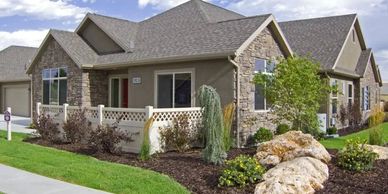
55+ Residential Neighborhood Communities are very appealing options for seniors who want to age in place while maintaining independence. These communities allow seniors to live in their own homes within environments specifically designed to support aging comfortably and safely.
Common features and benefits include:
- Single-level, easy-living floor plans
- Community-maintained grounds and amenities
- Built-in opportunities for social connection
- Lower risk of injuries
- Reduced stress through simplified living
Support Level: While they offer convenience, they do not provide nursing or daily personal assistance.
Independent living communities
Independent living communities
Independent living communities
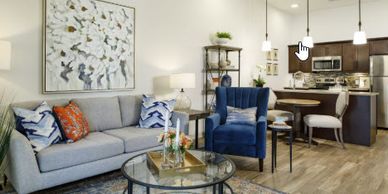
Independent Living Communities are housing options designed for active, self-sufficient seniors who want a maintenance-free lifestyle without the responsibilities of homeownership. These communities are typically apartment-style residences and are often not individually owned. However, they offer many of the same benefits.
Common features and benefits include:
- Easy-living floor plans
- Community-maintained grounds and amenities
- Built-in opportunities for social connection
- On-site fitness centers and wellness amenities
- Lower risk of injuriess
- Reduced stress through simplified living
Support level: While they offer convenience, they do not provide nursing care or daily personal assistance.
assisted living communities
Independent living communities
assisted living communities
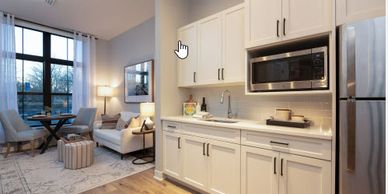
Assisted Living Communities are private, apartment-style housing options designed for seniors who need help with certain daily activities while still maintaining a level of independence. These communities provide supportive services in a comfortable, residential setting.
Common services and features include:
- Assistance with bathing and dressing
- Medication management
- Housekeeping and laundry services
- Meals provided- These communities often have a kitchenette for each resident.
- Organized social and recreational activities
Support level: Offers a middle-ground solution for seniors who can no longer live safely on their own but do not require 24/7 skilled nursing care.
residential care homes
skilled nursing facilities
assisted living communities

Residential Care Communities—often referred to as adult family homes or group homes—are small, private, home-like residential settings that typically house between 3 and 20 residents. They offer a more intimate and personalized alternative to larger assisted living facilities.
Common features and services include:
- Private or semi-private rooms
- Shared bathrooms and communal living and dining areas
- Full meal services - typically without individual kitchens
- Assistance with bathing and dressing
- Medication management
- 24-hour non-medical care and supervision
Support level: While the level of care is often similar to assisted living communities, residential care homes tend to provide more personalized, hands-on support due to their smaller size and higher caregiver-to-resident ratios.
Memory Care communities
skilled nursing facilities
skilled nursing facilities
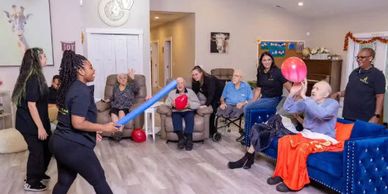
Memory Care Communities are specifically designed for seniors living with cognitive impairments such as Alzheimer’s disease, Parkinson’s disease, and other forms of dementia. These communities provide a secure, structured environment with specialized care.
Common features and services include:
- Secured communities with controlled access, delayed egress, and door alarms
- Private or shared rooms, often studio-style
- Meals and daily activities specifically tailored to support memory and cognitive function
- Medication management with nursing oversight
- Trained caregivers available 24/7 to provide continuous supervision and support
Support level: Memory care communities offer a higher level of supervision and specialized support than assisted living, specifically focused on the safety and unique needs of individuals with memory-related conditions.
skilled nursing facilities
skilled nursing facilities
skilled nursing facilities

Skilled Nursing Facilities—(SNFs)—are licensed, 24/7 medical residential settings that provide both short-term rehabilitation and long-term care for individuals with complex medical needs. These communities are often used as a bridge between hospitalization and returning home.
Services and features typically include:
- 24-hour medical monitoring and care
- Registered nurses (RNs), licensed medical staff, and physicians on site or on call
- Physical, occupational, and speech therapy
- Post-surgical recovery and rehabilitation
- Advanced medical services, such as wound care and IV therapy
Support level: These facilities provide the highest level of care within residential senior living. They are designed for individuals with severe or debilitating physical or cognitive conditions that require continuous medical assistance and monitoring, making independent living unsafe.