
The Stages Of Senior Home Transitions
family HOME NO LONGER MEETING SENIOR NEEDS AND CIRCUMSTANCES
family HOME NO LONGER MEETING SENIOR NEEDS AND CIRCUMSTANCES
family HOME NO LONGER MEETING SENIOR NEEDS AND CIRCUMSTANCES
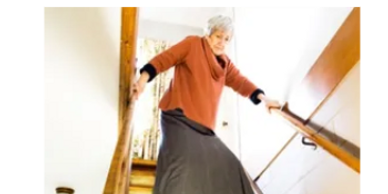
Statistics reflect nearly 90% of seniors prefer to age in place, which is very natural. Fortunately, there are many resources available to make this possible such as Reverse Mortgages, and other various services.
However, for some seniors, their long time family homes are not foundationally conducive to their specific challenges with aging such as:
- Multiple floors, with too many stairs to safely navigate
- Main or key living areas (bedroom, bathroom, laundry, etc.) not on the main floor.
- Home and yard are larger than needed, with too much associated upkeep.
- General and deferred maintenance
DOWNSIZING AND SIMPLIFYING
family HOME NO LONGER MEETING SENIOR NEEDS AND CIRCUMSTANCES
family HOME NO LONGER MEETING SENIOR NEEDS AND CIRCUMSTANCES
When it’s time to downsize or simplify a senior’s living situation, the process can quickly become overwhelming. After many years of collecting furniture, hobbies, and personal belongings, deciding what to keep can be emotionally challenging. These items often carry deep sentimental value, making it difficult for seniors and their families to know where to begin or how to let go. This process can be one of the most complex stages in senior home transitions.
What type of senior home is needed
family HOME NO LONGER MEETING SENIOR NEEDS AND CIRCUMSTANCES
Determining how to pay for the Senior community
Depending on factors such as age, mobility, and specific physical or health challenges, choosing the right type of home or senior living community is an important decision. The appropriate option can vary greatly based on individual needs, preferences, and the level of care required.
Senior living options include:
- 55+ Residential Communities
- Independent Living Communities
- Assisted Living Communities
- Memory Care Communities
- Residential Care Homes
- Skilled Nursing Facilities
Please see the Senior Community Types page for a more detailed explanation of each option.
Determining how to pay for the Senior community
Determining how to pay for the Senior community
Determining how to pay for the Senior community

Often—though not always—these transitions need to happen quickly, especially when seniors remain in their family homes until a change becomes absolutely necessary. While there are great resources available to help navigate paying for these transitions, some require advance planning.
Some of the most common options include:
- Personal Resources
- Home Equity Through Reverse Mortgages
- Home Equity Through Home Sale Proceeds
- Long-Term Care Insurance
- Government Assistance Programs
- Life Insurance Conversions
- Bridge Loans
Please see the pages Funding Options & How We Can Help pages for more information.
SElling the current / family home
Determining how to pay for the Senior community
SElling the current / family home

At some point during most senior living transitions, there is a need to sell the current or family home. Whether this needs to happen quickly depends on the circumstances—particularly if the sale proceeds are required to cover the next living arrangement or care situation.
This can be one of the most sensitive and challenging stages in senior transitioning. Typically there are many years of memories, close friends, and personal attachments to the current or family home.
Please see the How We Can Help page for more information on selling the home.
Managing the stages of transition
Determining how to pay for the Senior community
SElling the current / family home

While the stages of senior living transitions can be briefly explained, managing and coordinating those stages is anything but simple. These transitions require tremendous sensitivity, thoughtful planning, and careful execution. For seniors and their families, the process can be extremely stressful as it often involves strong emotions, complex family dynamics, and many other factors that must align for a successful transition.
Having a well-executed strategy—supported by the right resources and trusted connections—can significantly reduce the stress associated with these transitions.
Please see the How We Can Help page for more information on managing the stages of senior transitions.